
Industry
- Ecommerce
Services
- Brand Identity
- Visual System
- Website
Platforms
- WordPress
ItemMaster
A design system for a content master.
ItemMaster built the pipes behind an invisible part of the retail economy. Product content, images, specs, nutritional data, descriptions, syndicated from CPG manufacturers to every retailer, marketplace, and mobile app that sells their products. When a shopper searches for a Kellogg’s cereal on Instacart, Amazon, or Walmart.com, the content they see comes from somewhere. ItemMaster was that somewhere for more than 1,700 manufacturers and 1,000 retailer partners. The technology behind it, the APIs, the data standards, the retailer integrations, the validation workflows, is genuinely complex.
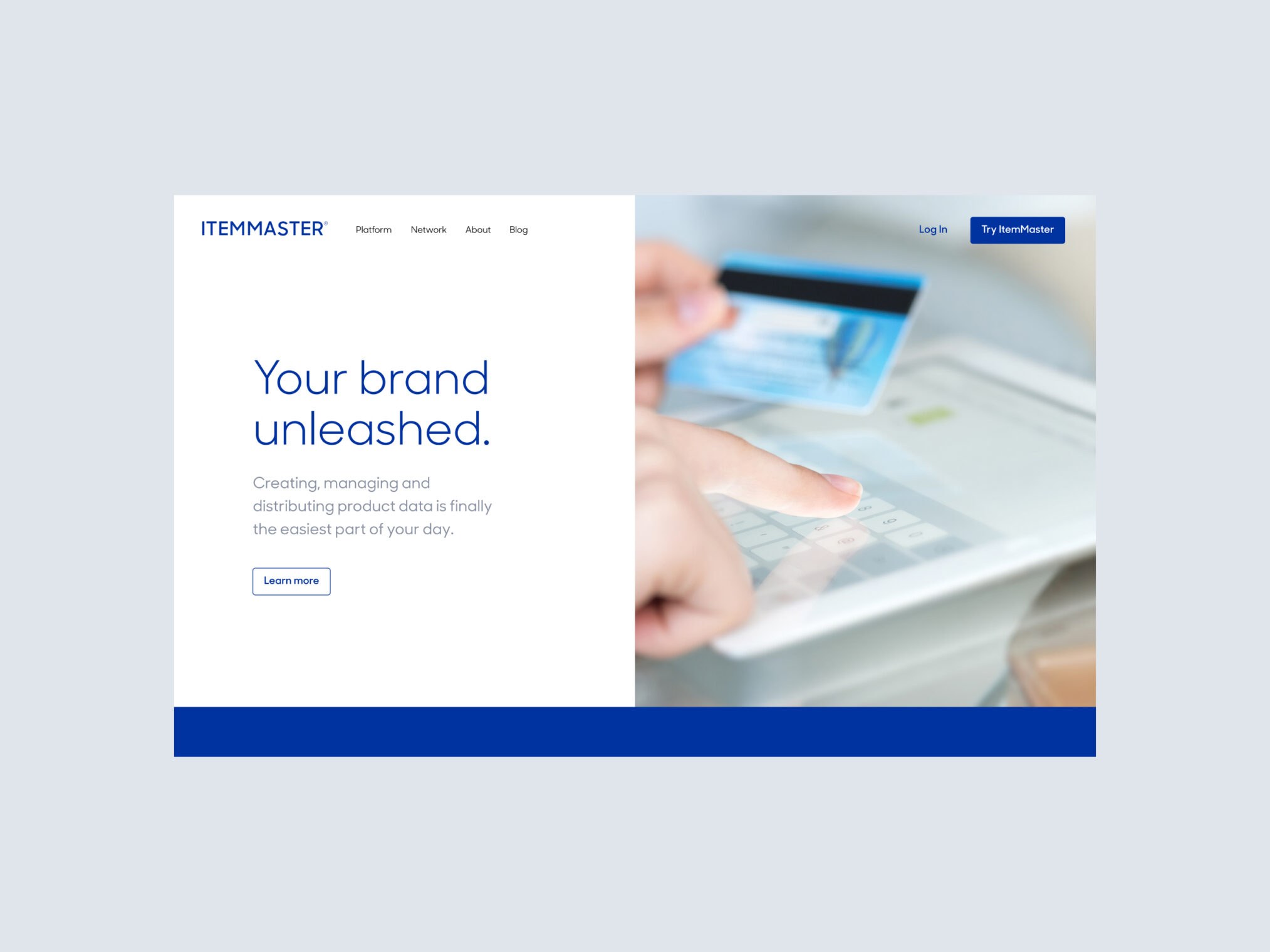
The company came to WHQ with a positioning problem. The technology was mature and the customer base was growing, but the brand and website did not communicate what ItemMaster actually did or why a CPG manufacturer should choose them over a competitor. For an audience of CMOs and product leaders, that complexity had to resolve into something simpler. A clear story about what ItemMaster did, why it mattered to their business, and what choosing ItemMaster would unlock. WHQ built the brand story, the visual system, and the digital experience that turned a complex B2B proposition into something a prospect could understand in the first thirty seconds.


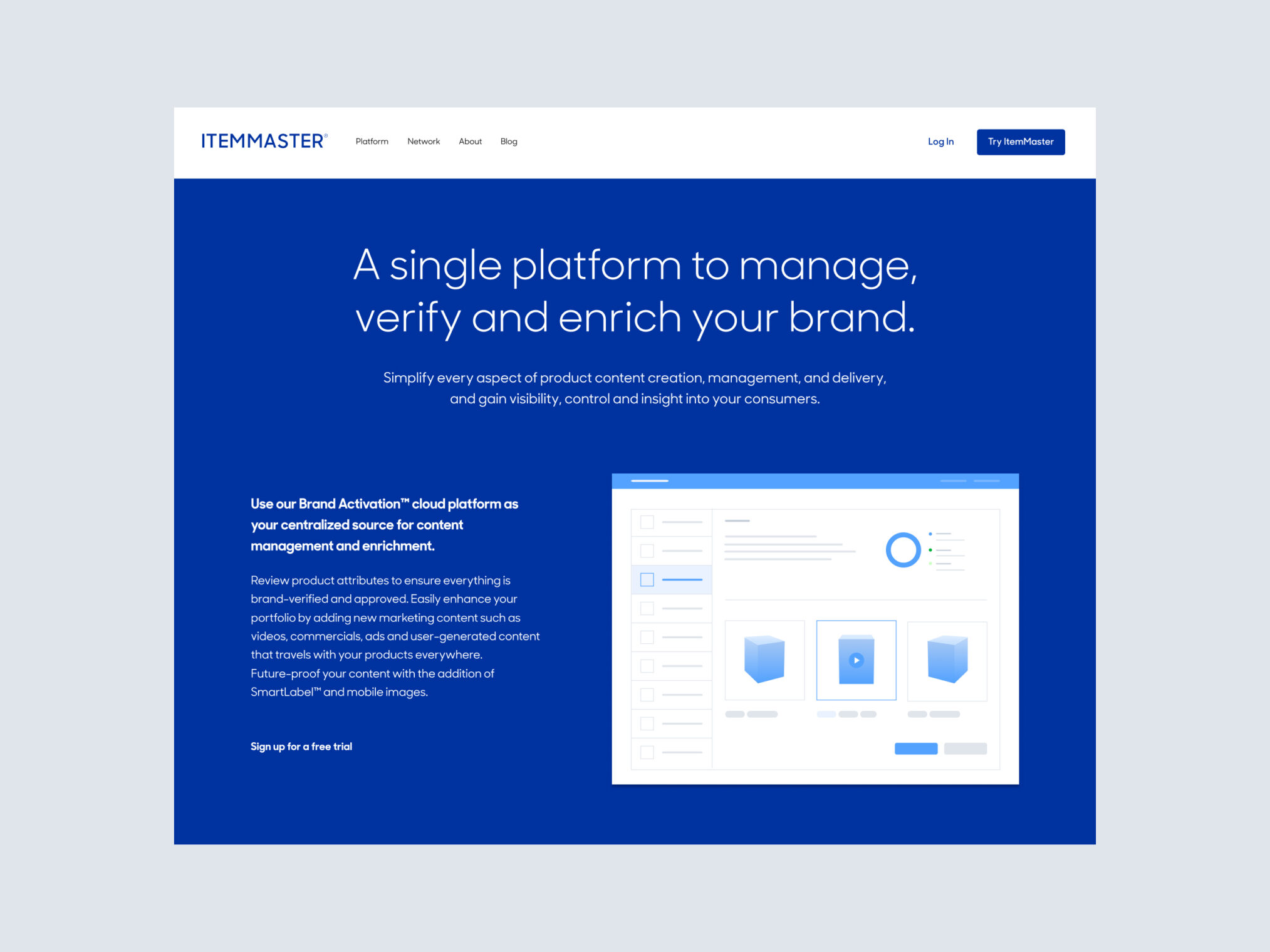
Illustration, not photography, would carry the story
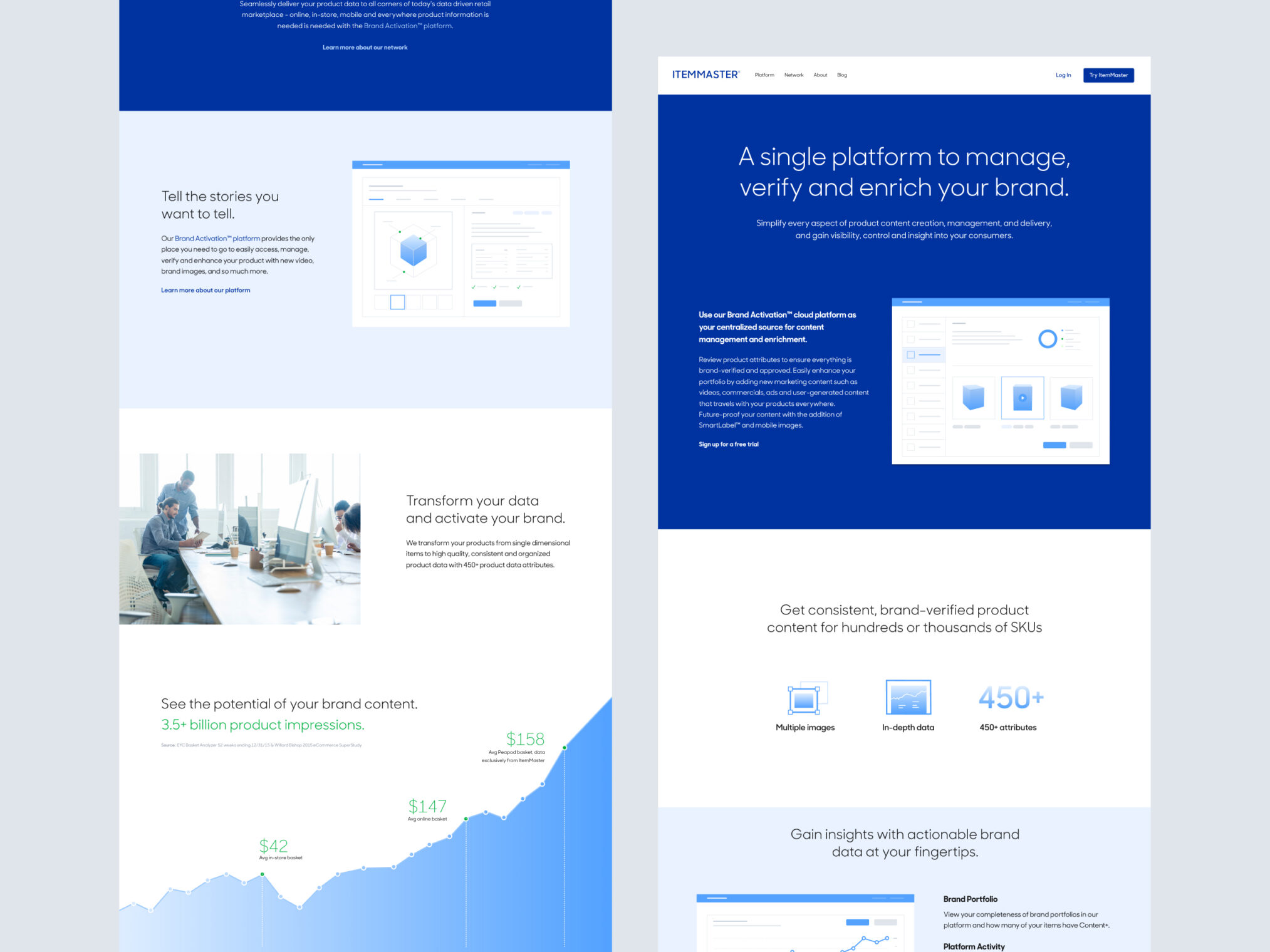
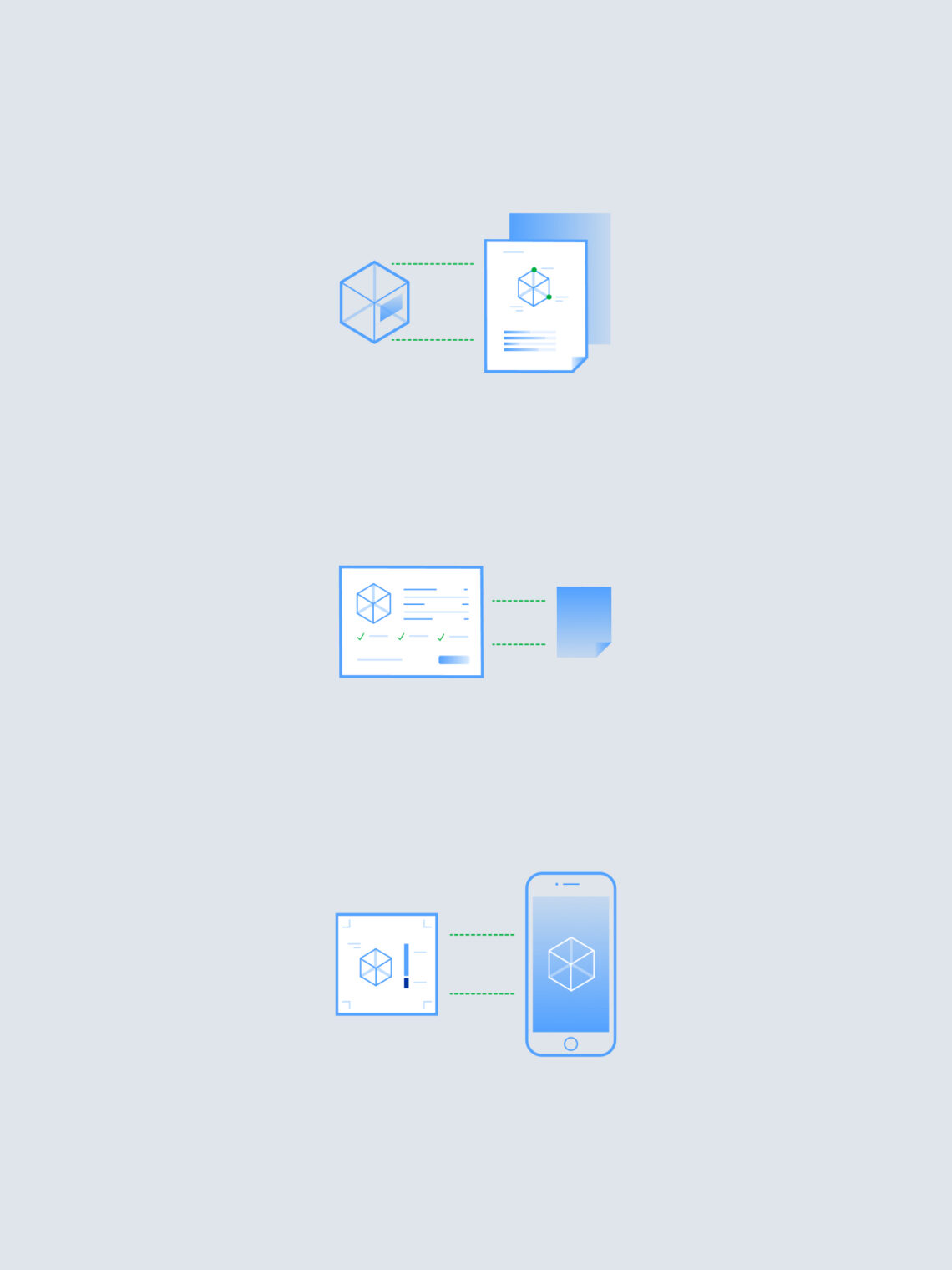
Most B2B technology brands default to stock photography. People in suits, product shots on laptops, generic collaboration scenes. That register would have buried ItemMaster in the same visual soup as every competitor. The insight was that an illustration system, custom-built for ItemMaster’s proposition, would do what photography could not. Explain the platform visually, give the brand a distinct character, and scale across every touchpoint without needing a photo shoot for every new page.
The illustration language was built around the idea of content flow, how product data moves from manufacturer to retailer to shopper, across every channel where a brand appears. The system was intentionally clean, graphic, and extensible. It could illustrate a homepage narrative, a feature explanation, a blog post diagram, or a slide in a sales deck without losing its visual coherence.
A WordPress site the team could actually run
A B2B technology brand with a growing product roadmap cannot have a website that requires a developer every time a new feature launches. The build had to give ItemMaster’s marketing team full control over content across every page, without risking the visual integrity of the brand. That meant a template system with enough flexibility to accommodate new pages, new announcements, and new integrations, and enough constraint to keep the brand recognizable across all of it.
WHQ completed the full WordPress integration. Custom templates, content components, and editorial guidelines that gave the ItemMaster team the freedom to publish quickly while keeping the brand consistent. Every page could be added, edited, or evolved without an agency touching the code.
Result
ItemMaster launched the new brand and website in 2018 and kept growing its platform and customer base through its acquisition by Gladson, now Syndigo, in early 2019. The system WHQ built carried the company through a meaningful stage of growth and helped position it as a credible category leader in a space that had long been dominated by data-vendor framing. The work proved a principle. A serious B2B brand, built with a clear story and a distinctive visual system, can compete with any incumbent in its category, however invisible the product is to the shopper at the end of the line.
