
Industry
- Consumer Brands
- Ecommerce
Services
- Brand Evolution
- Campaign
- Catalog
- Commerce
- Creative Direction
Unison
Selling the modern home, season after season.
Unison was founded in Chicago by two designers who had trained at Marimekko in Helsinki. The brand had a clear point of view, modern, colorful, and built around the idea that quality and simplicity belong together in the home. What it needed was the commercial infrastructure to match. Five catalog seasons, a new e-commerce platform, and years of campaign creative later, the work WHQ produced alongside Unison’s team became the engine that turned a great product brand into a great selling one.

01 The brief
A considered commerce experience.
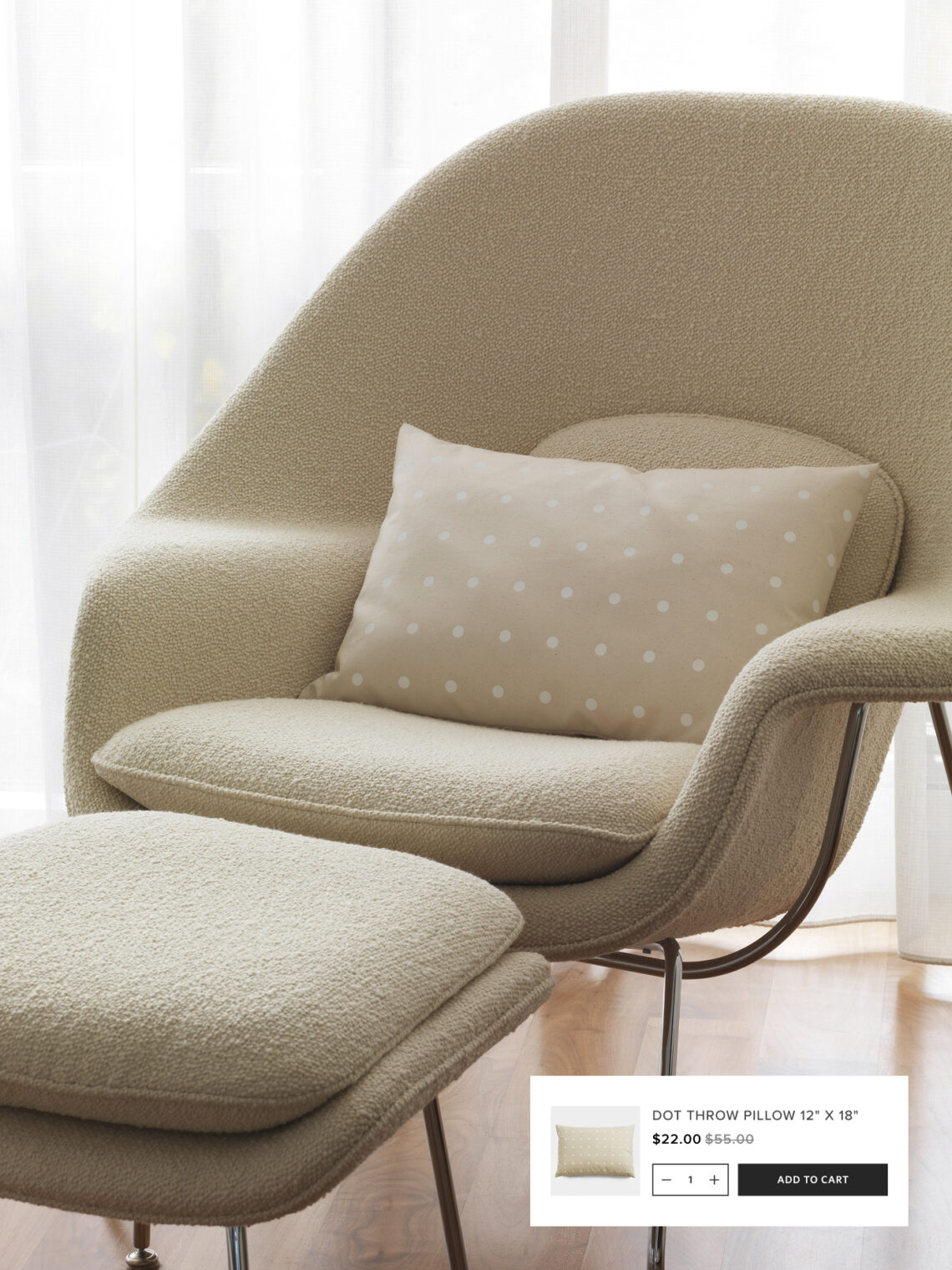
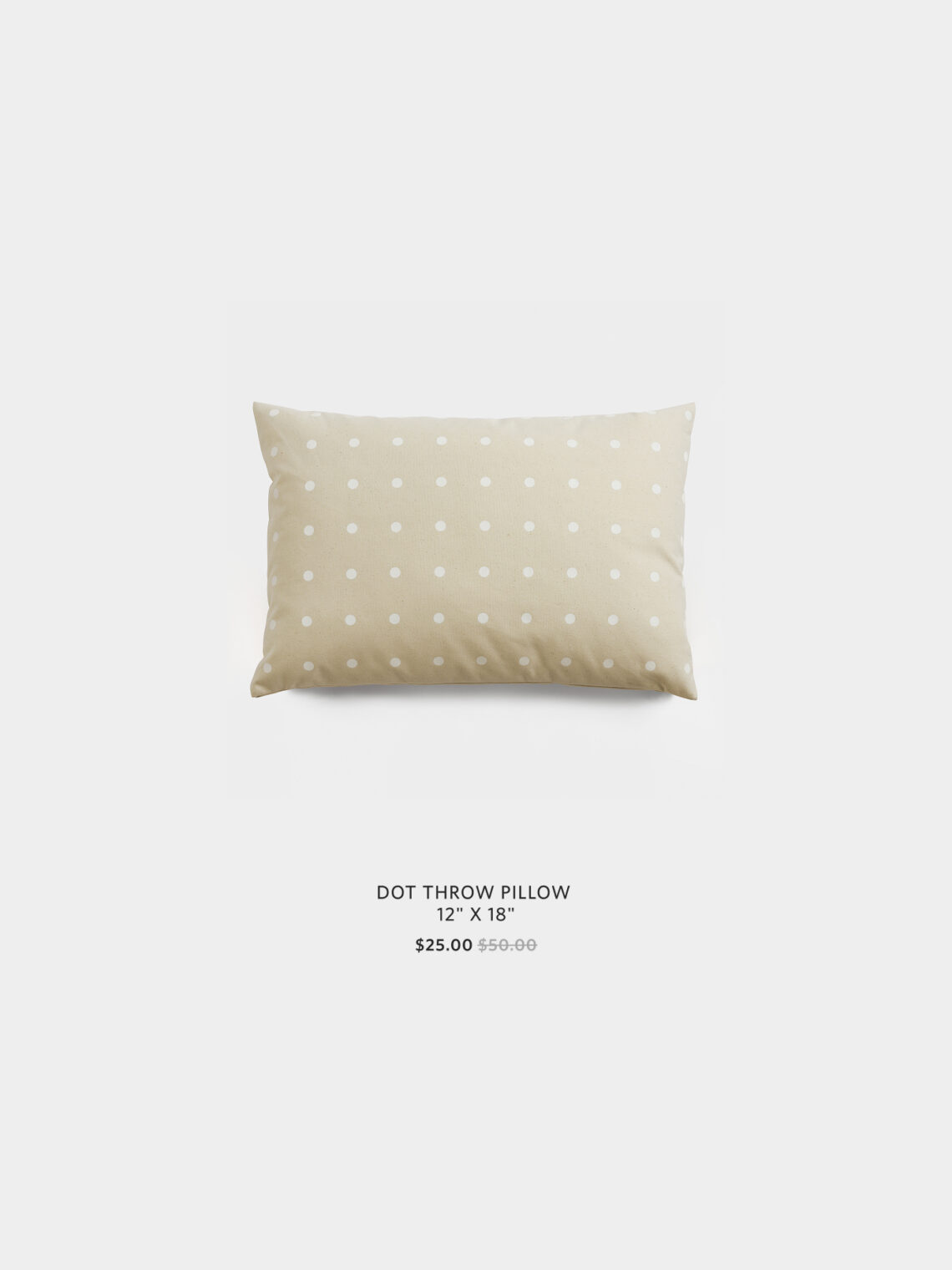
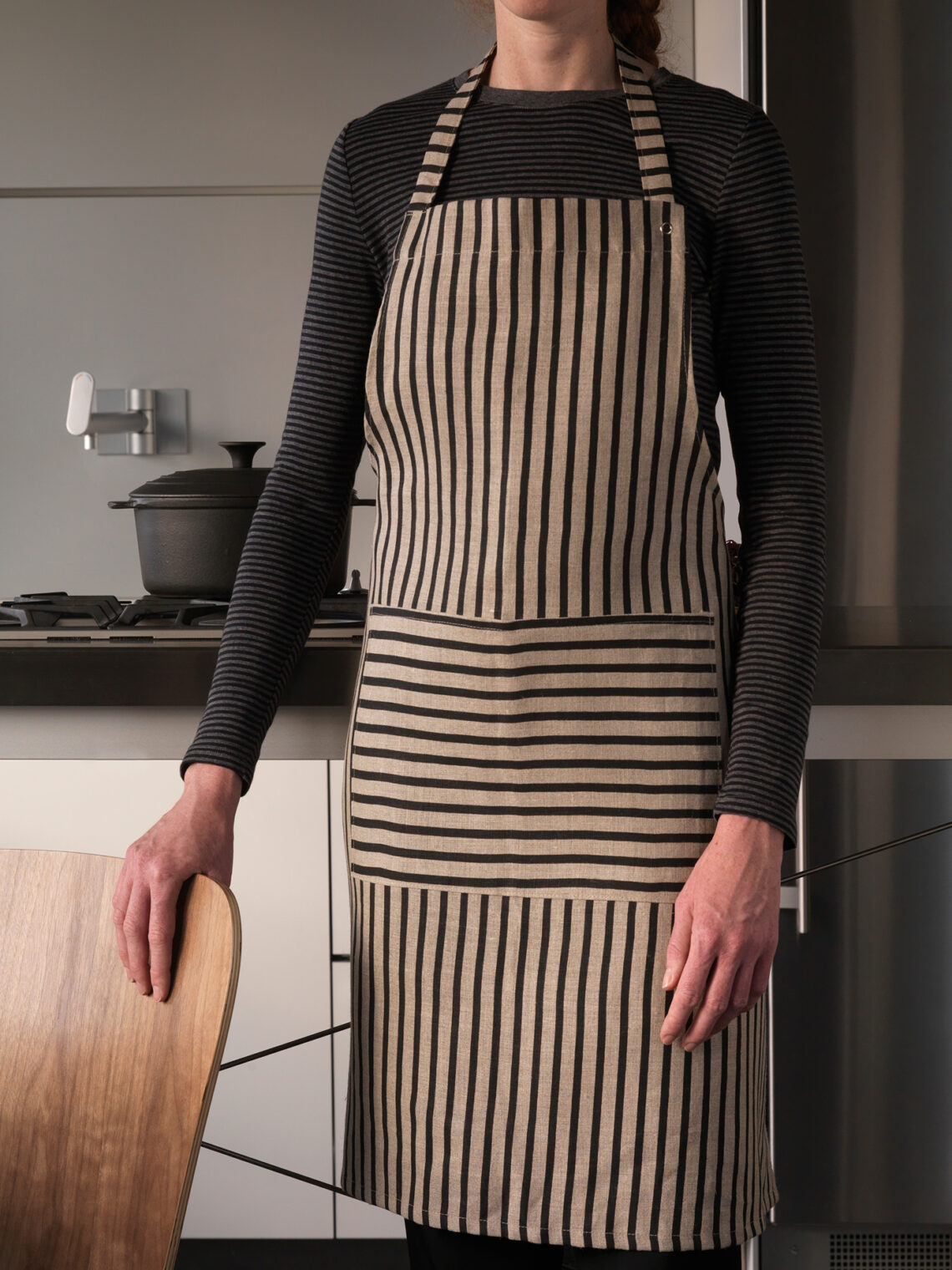
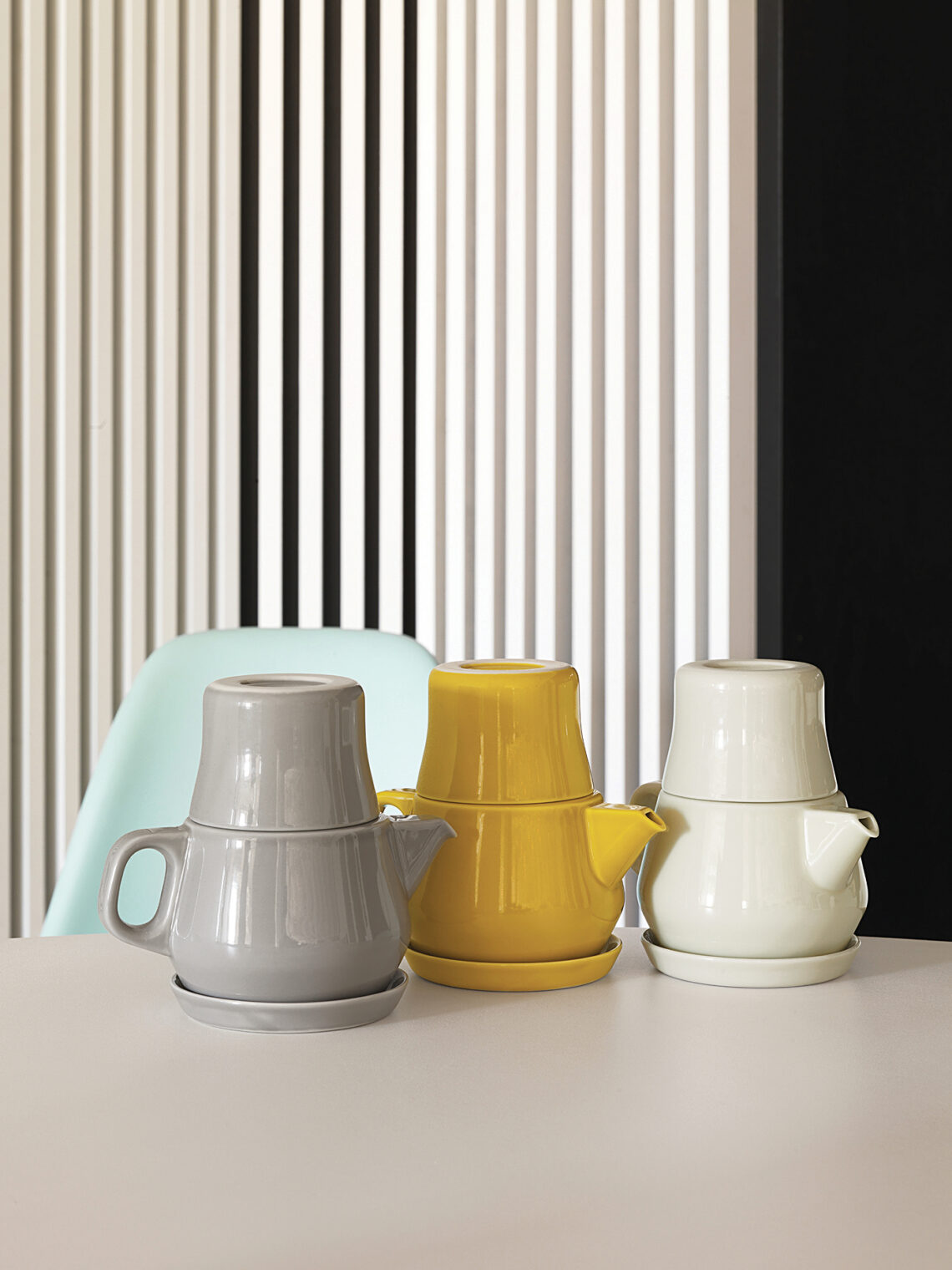
Unison’s products were designed with genuine conviction. Bold color, clean form, collaborations with independent artists and designers from around the world, each piece chosen for longevity, not trend. That kind of curation demands a commercial experience with the same level of care. A mediocre storefront or a generic catalog would have contradicted everything the brand stood for. The work began with a shared understanding: the product is the hero, and everything else exists to present it clearly and beautifully. That principle shaped every decision, from the information architecture of the e-commerce site to the shot lists we built for each catalog season. Nothing competed with the product. Everything served it.
02 The insight
The catalog is where the story lives.
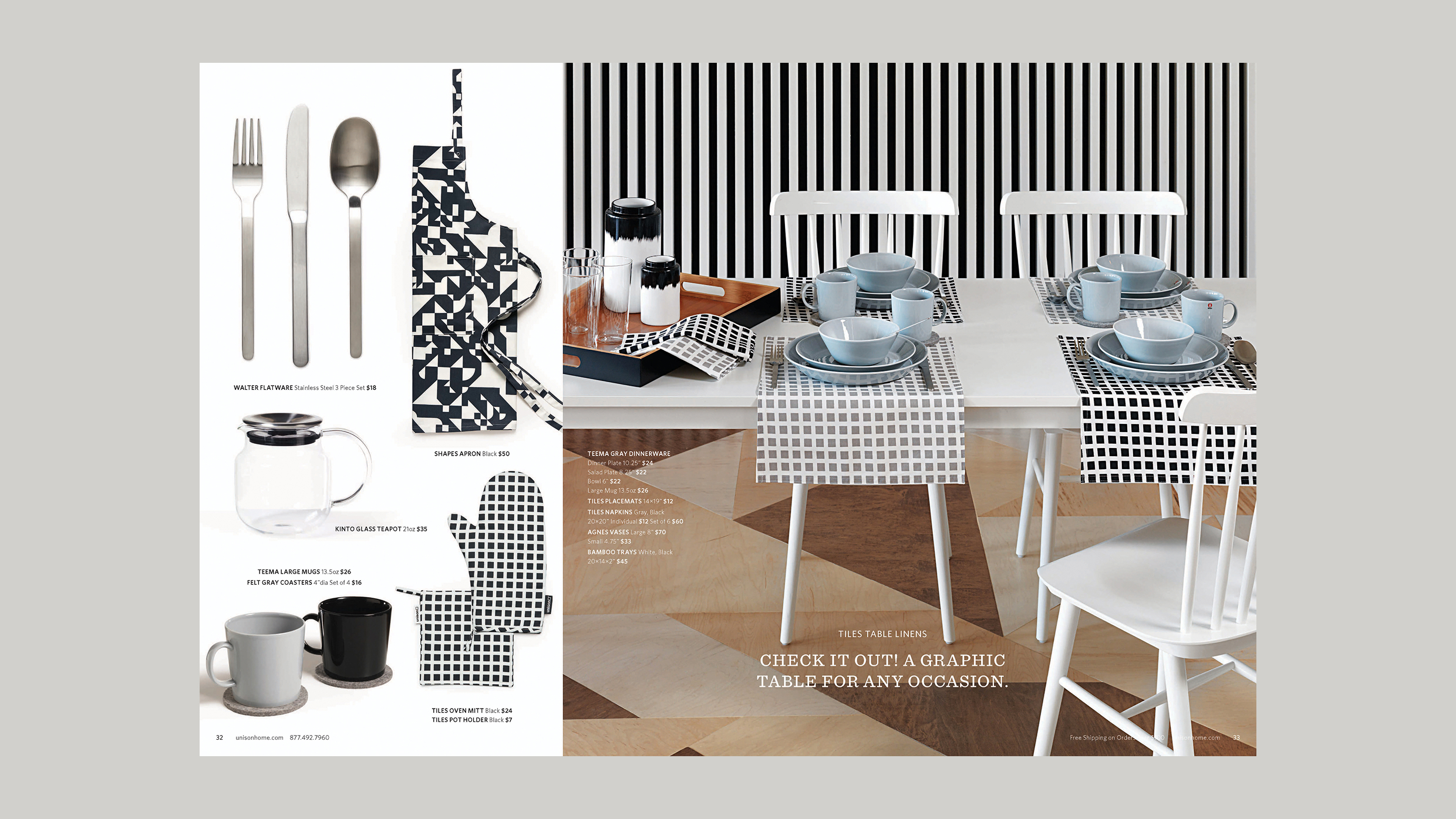
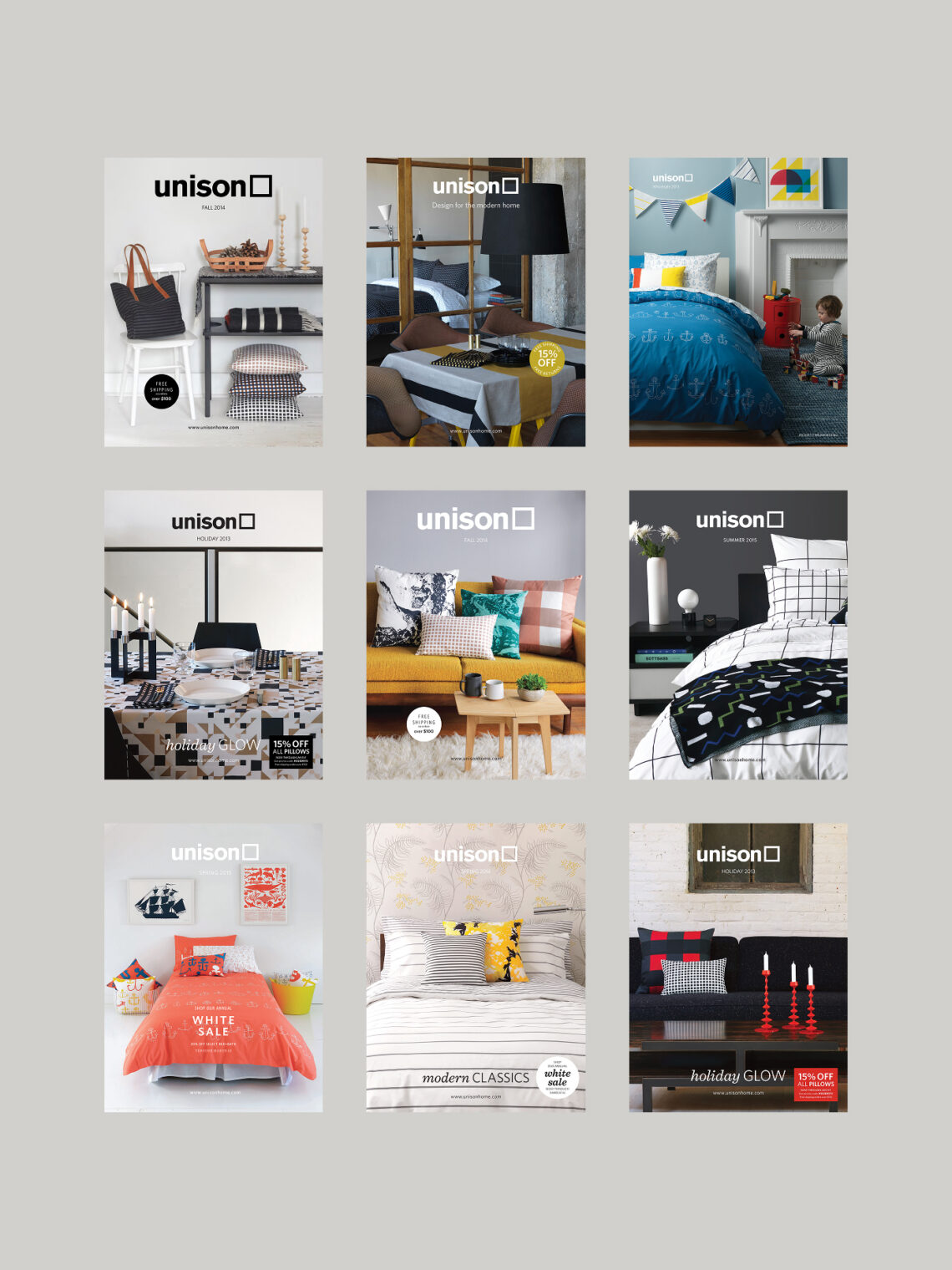
In an era when most brands were moving away from print, Unison’s quarterly catalog remained its most powerful selling tool, and its most complete brand expression. A well-designed catalog does something a product page can’t: it places objects in context, builds a mood, and gives a customer a reason to want the life the product suggests. Unison’s products deserved that treatment every season. WHQ produced five catalog seasons alongside Unison’s team, defining the creative direction, selecting and sequencing products, building shot lists, directing photography, and iterating through layouts until each issue felt like a cohesive editorial statement rather than a product list. The catalogs drove sales directly. They also reinforced the brand’s design credibility with the kind of customers who notice the difference between a catalog that was designed and one that was assembled.
03 The build
Every channel as an expression of the same conviction.
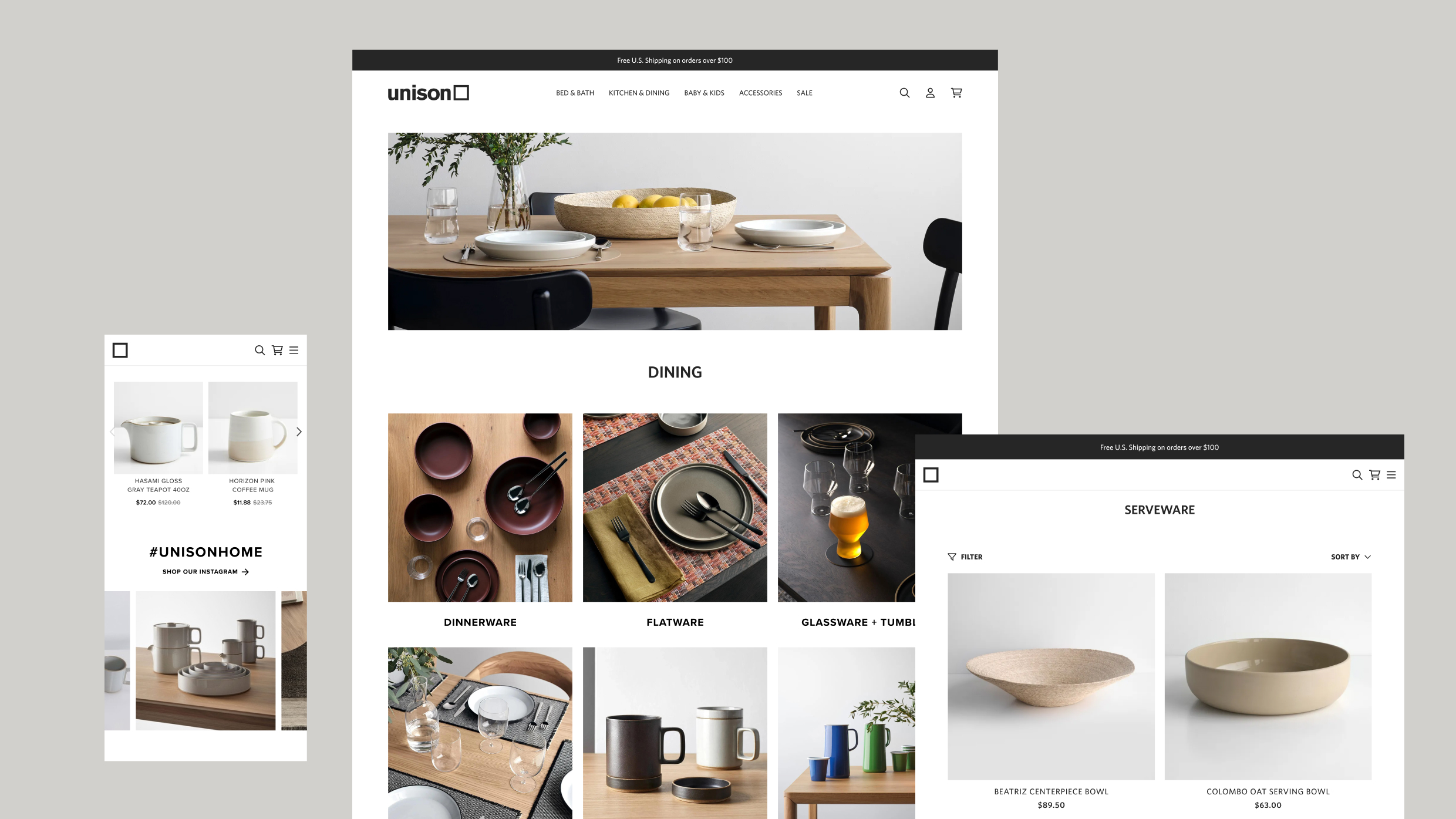
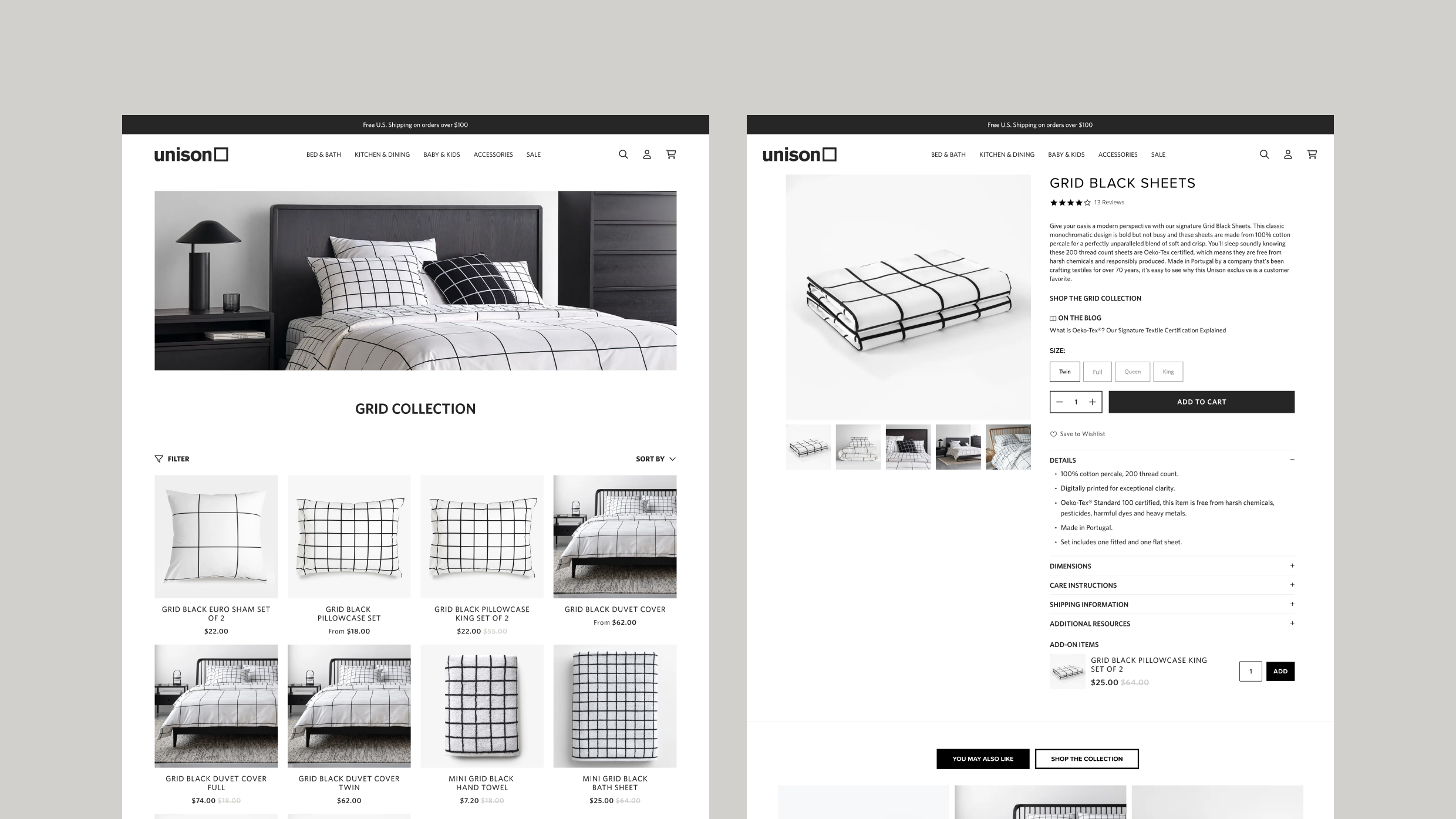
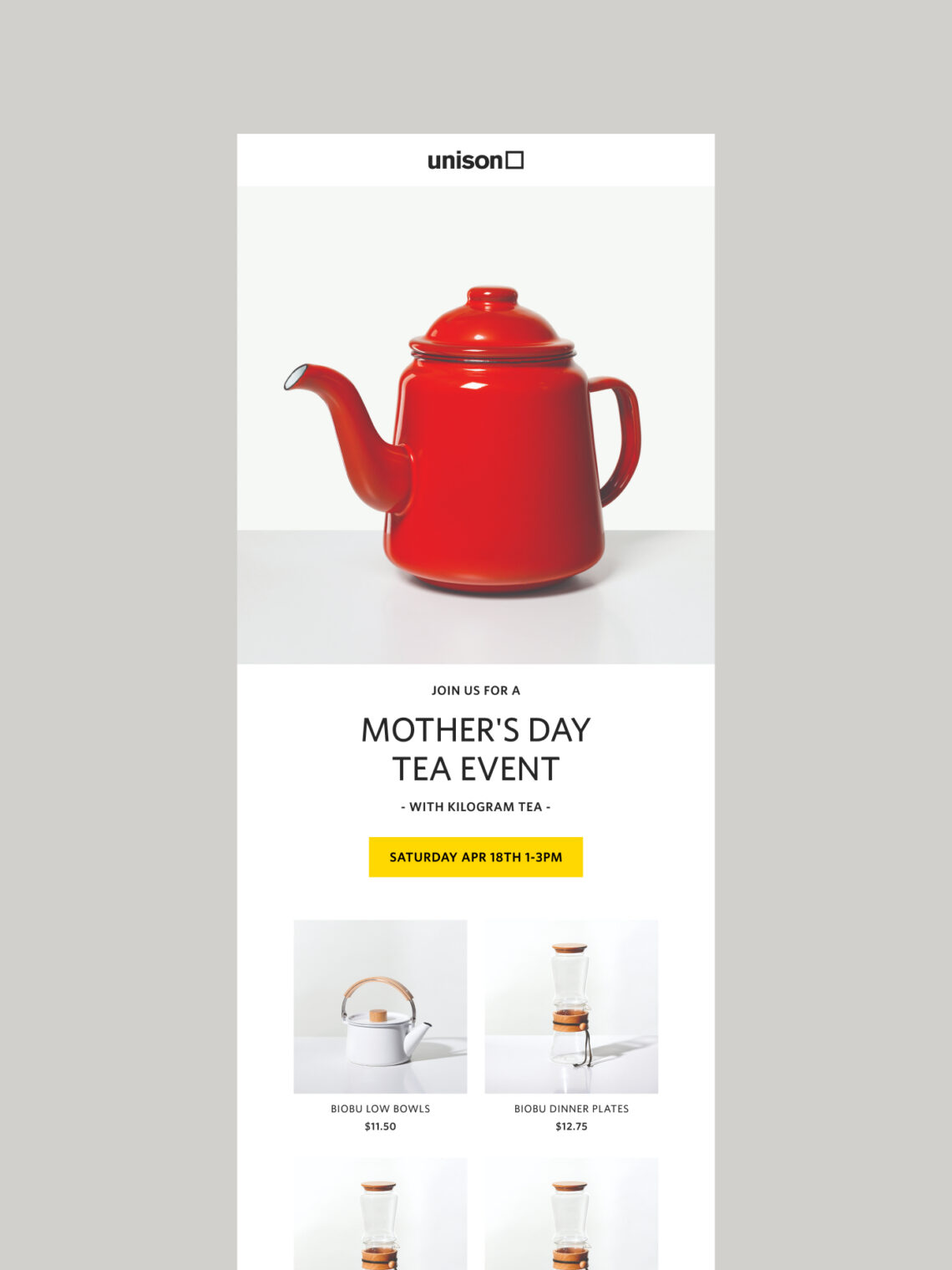
The catalog was the anchor, but the work extended into every channel where Unison needed to sell. The e-commerce platform was designed to carry the same visual conviction as print, clean photography, a layout system that gave products room to breathe, and navigation structured around how customers actually browse a home goods collection. The goal was a storefront that felt as considered as the products inside it. Ad and email campaign templates were built for flexibility and speed, branded enough to stay cohesive, structured enough that Unison’s team could execute seasonal content without needing an agency every time. The result was a complete commercial system: a store, a catalog, and a campaign infrastructure that kept the brand consistent and the product front and center across every touchpoint, every quarter, for years.


The result
Five seasons of catalogs. A storefront that matched the product’s ambition. Campaign infrastructure the team could run without an agency on speed dial. Unison’s products were already excellent, the WHQ work built the system that let that excellence show up consistently, everywhere the brand needed to sell. For a founder-led brand built on craft and conviction, that kind of commercial infrastructure isn’t just helpful. It’s what allows the product to speak for itself.
